
distinguished from two grounds
Jahresausstellung 2025
26 July – 3 August 2025
The title distinguished from two grounds stems from Jacques Derrida's essay Parergon (1979), in which he examines the relationship between works of art and their respective
‘accompanying works,’ the parerga. He cites picture frames as examples, but also colonnades that line temple architectures and the drapery of ancient sculptures, which are usually not only design
elements but also fulfil a supporting function.
Parerga are structures that always refer to an Other; they nestle against it or hold it in place, complement or support it. Taken on its own, the parergon therefore necessarily remains
incomplete. When our gaze shifts from the centre of attention to the edges, it appears as if the parerga stand out against two backgrounds a the same time. Behind the frame lies not only the
painting, but also the wall. The colonnade leads not only into the temple, but also out of this constructed space into its surroundings.
Moments like this, in which a shift in perspective opens up a double ground between the concrete and the general, can also be found in many of the works in this exhibition. Be it as an
architectural element, such as the Modiliogni, to which Christian Offman's series of sculptural spatial interventions Nepomuceno (questions comments) refers, or the dormers and canopies
that Laura Klodt-Bußmann's sculptures made of metal and self-dyed silk are reminiscent of. Some works make use of places that are usually attributed to ornamental elements, such as Saicheng
Chen's installation Morgen morgen, which scans both exhibition rooms like a decorative moulding. Janis Strobl's Ein-Mann-Bunker SSZ-Typ Kenn-Nummer RL 3-42/143 was created based
on historical research into a parergon of the academy building, a one-man bunker from the Second World War that still stands in the garden today. And in a broader sense, these moments can also be
found as regularly recurring flourishes in time, such as the motif of tidying up shortly before closing time, which Inaara Mariel projects back onto shop fronts closed for the night in her video
installation Feierabend.
With Nils Peisker, Katharina Burger, Saicheng Chen, Fiona Schwaiger, Banyu Wang &Yi Wang, Matthias Josef Miller, Inaara Mariel, Paula Eberle, Max Frohn, Christian Offman, Janis Strobl, Laura Klodt-Bußmann and Vincent Wolff.
Curated by Nicole Wermers & Leo Heinik
Photos: Michael Mönnich
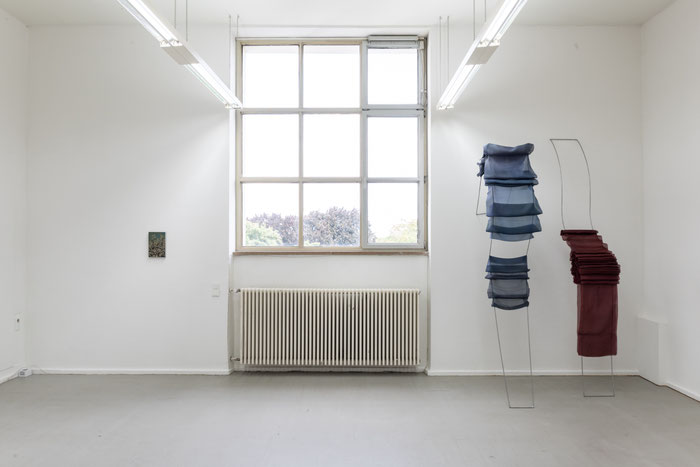
Banyu Wang & Yi Wang, Laura Klodt-Bußmann
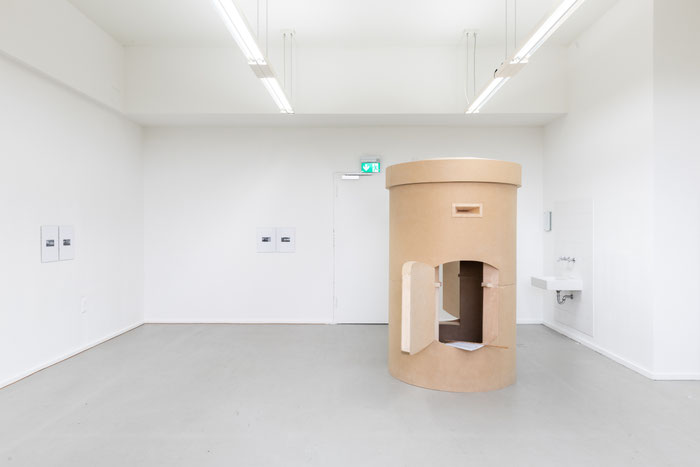
Vincent Wolff, Janis Strobl
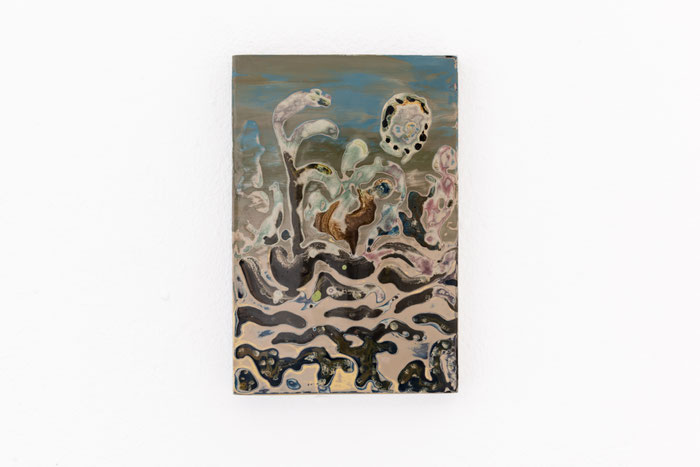
Banyu Wang & Yi Wang
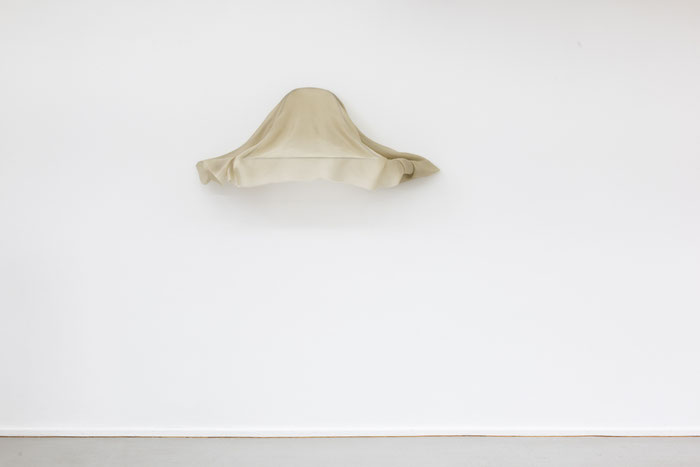
Laura Klodt-Bußmann
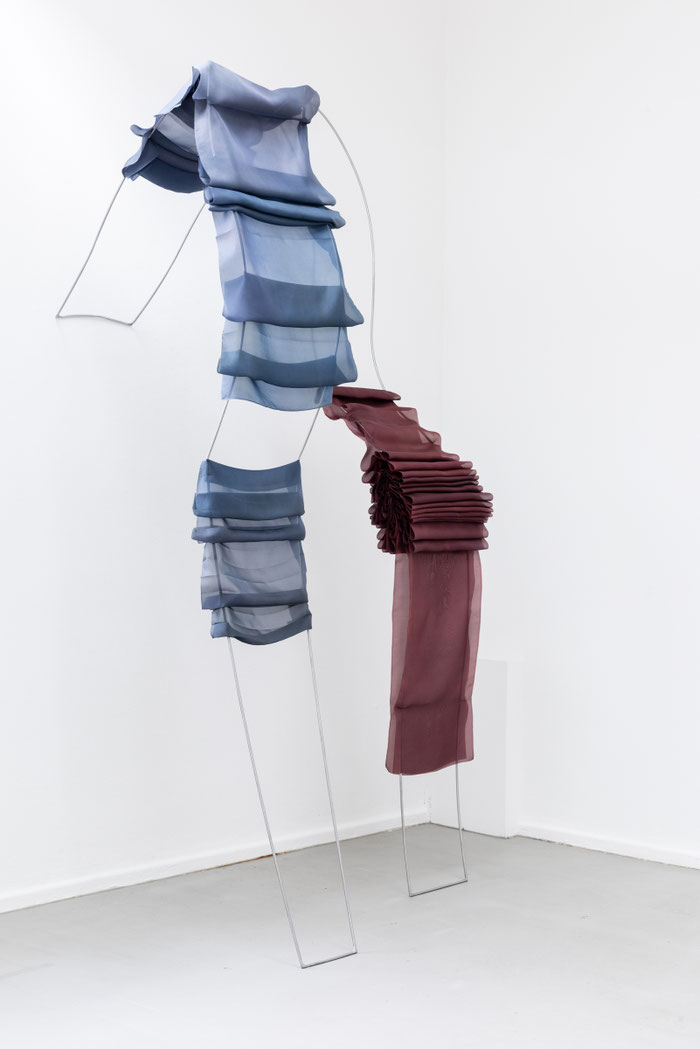
Laura Klodt-Bußmann
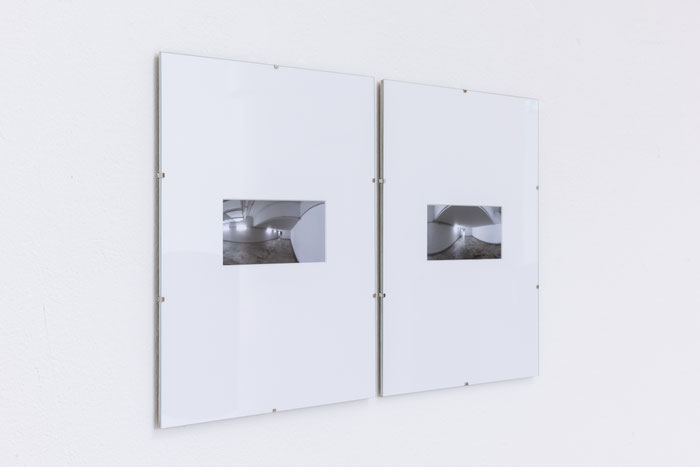
Vincent Wolff
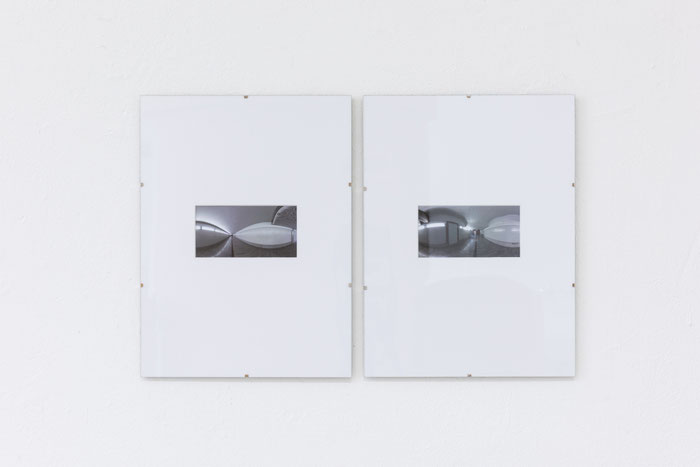
Vincent Wolff
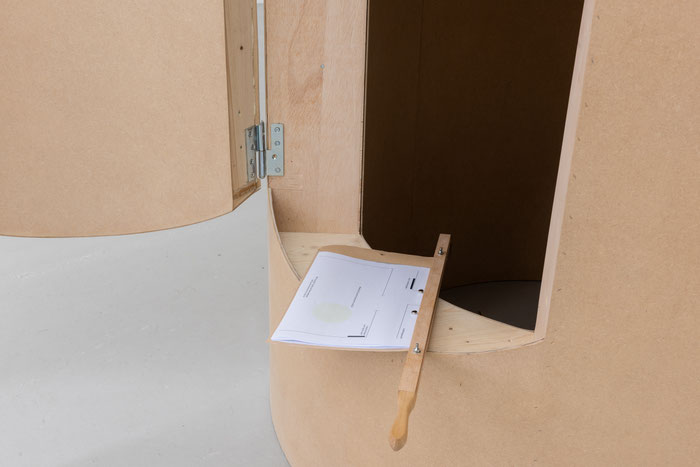
Janis Strobl
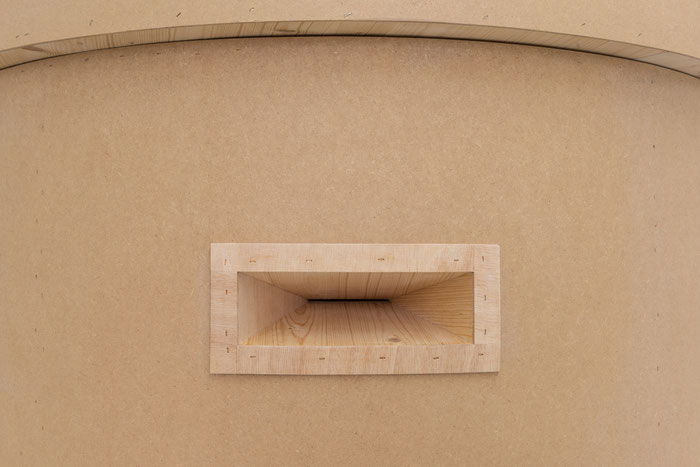
Janis Strobl
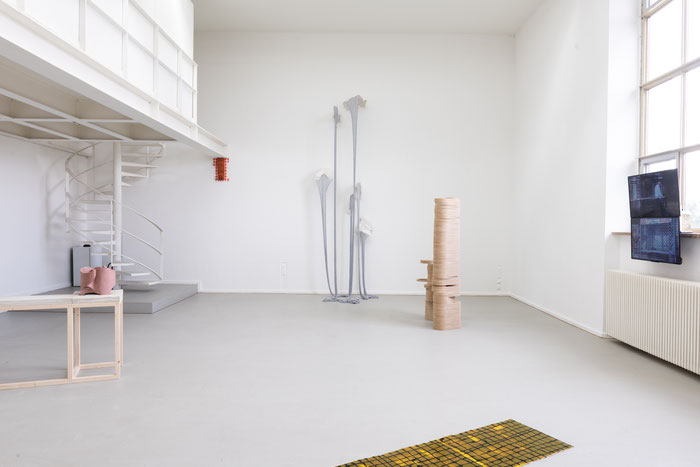
Nils Peisker, Christian Offman, Fiona Schwaiger, Matthias Josef Miller, Inaara Mariel, Paula Eberle

Max Frohn, Paula Eberle, Christian Offman, Nils Peisker, Katharina Burger

Max Frohn
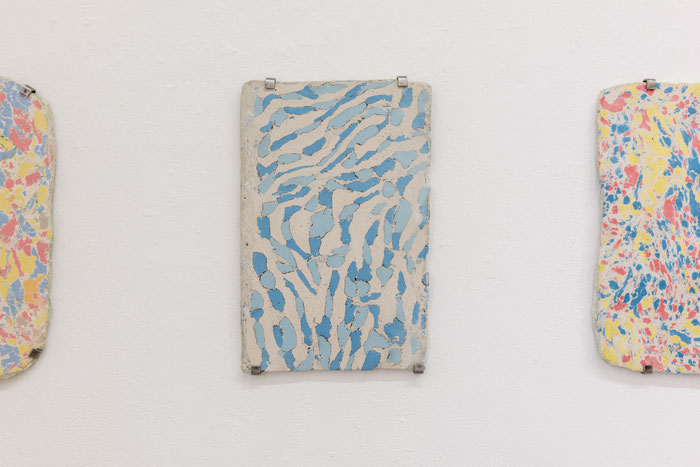
Max Frohn
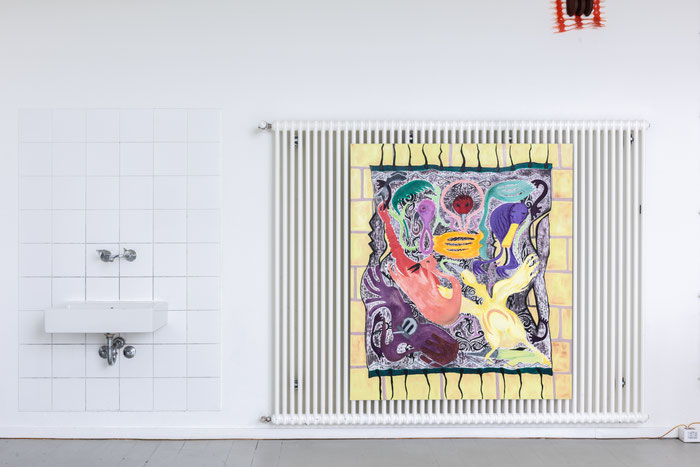
Katharina Burger
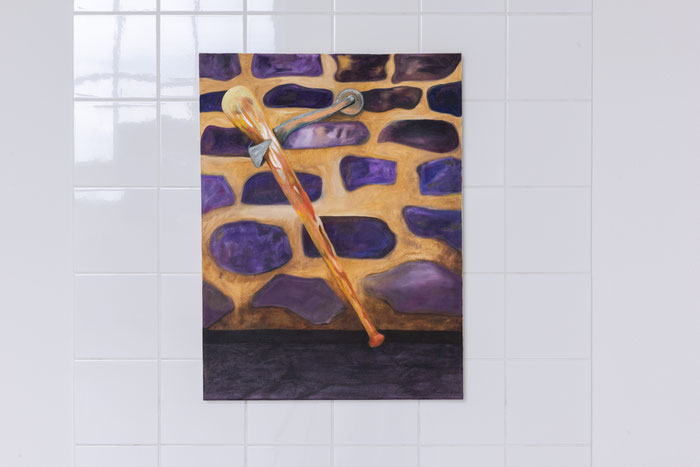
Katharina Burger

Christian Offman, Katharina Burger
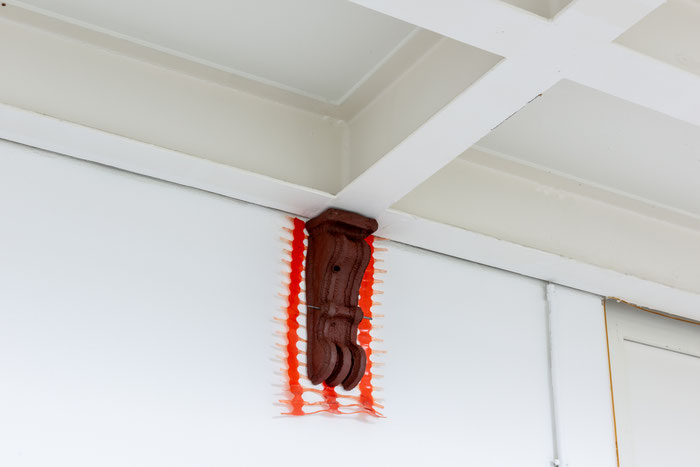
Christian Offman
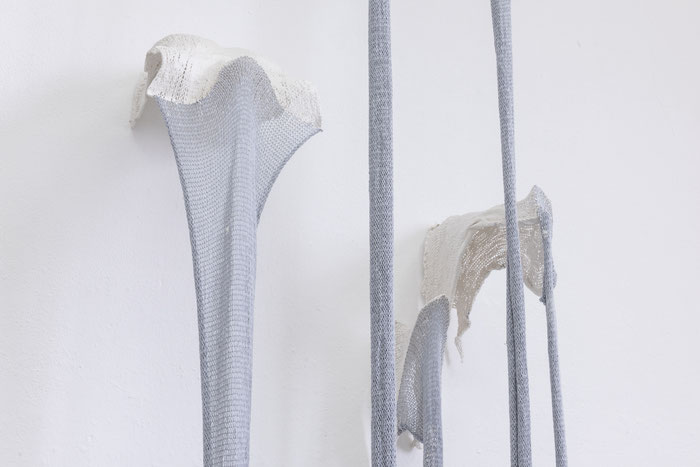
Fiona Schwaiger
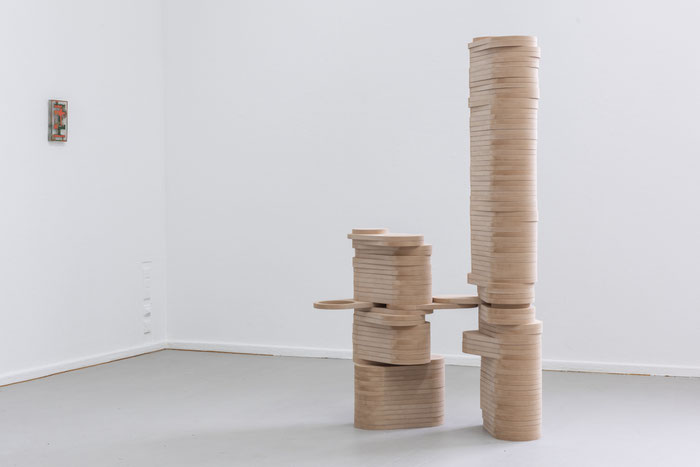
Banyu Wang, Matthias Josef Miller

Paula Eberle

Nils Peisker

Nils Peisker

Inaara Mariel
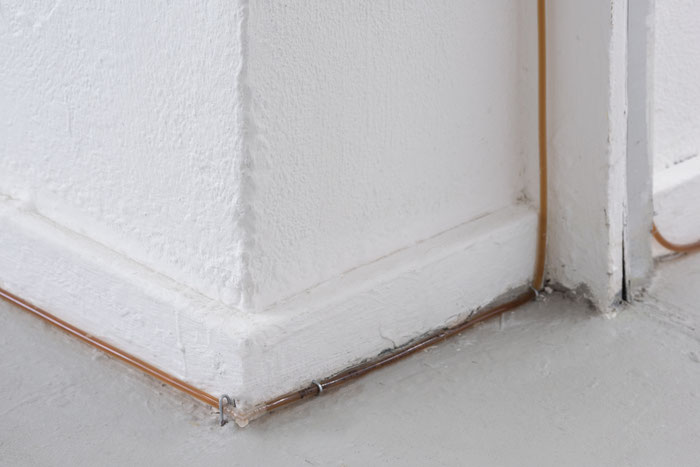
Saicheng Chen

Saicheng Chen